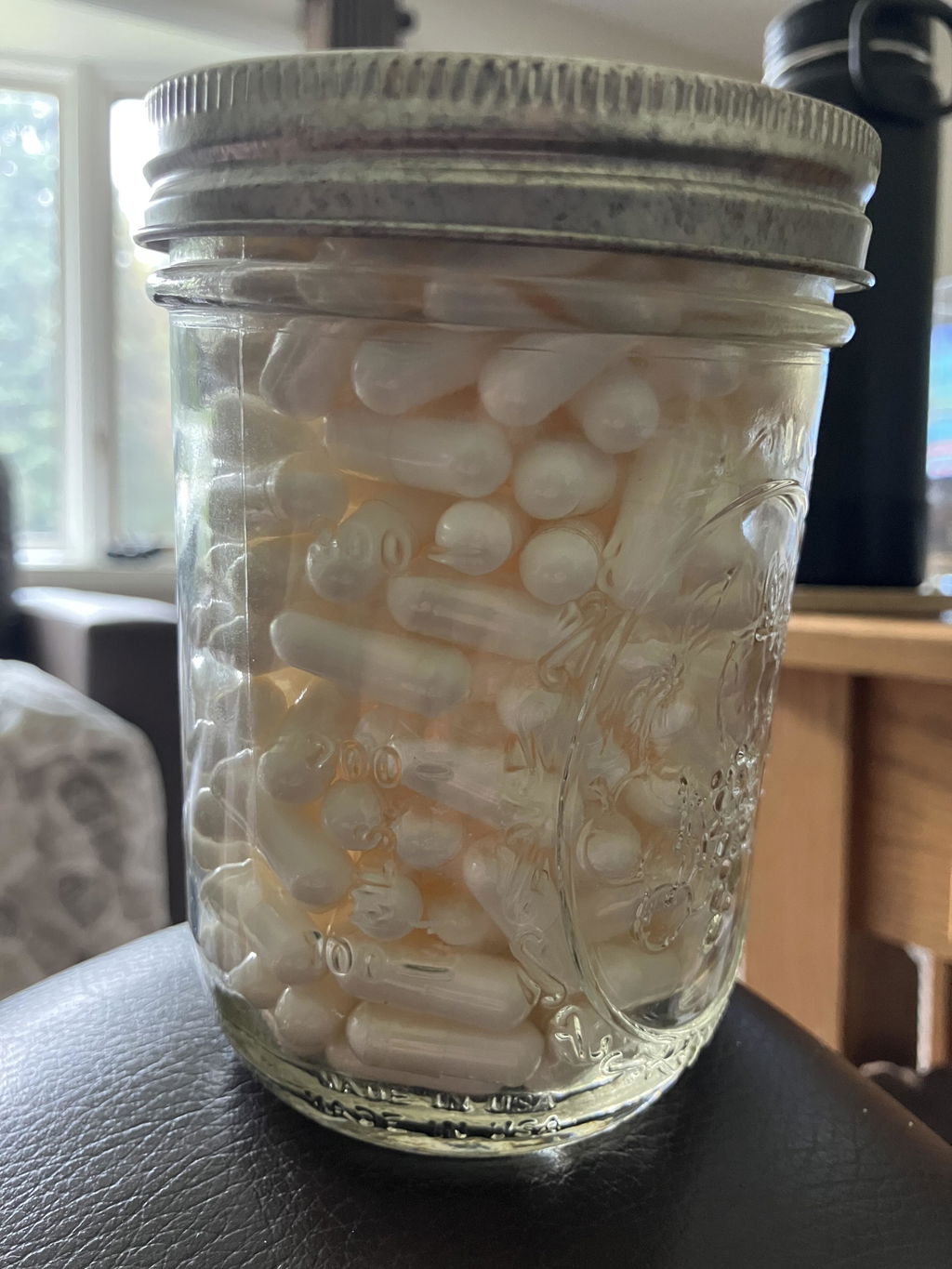
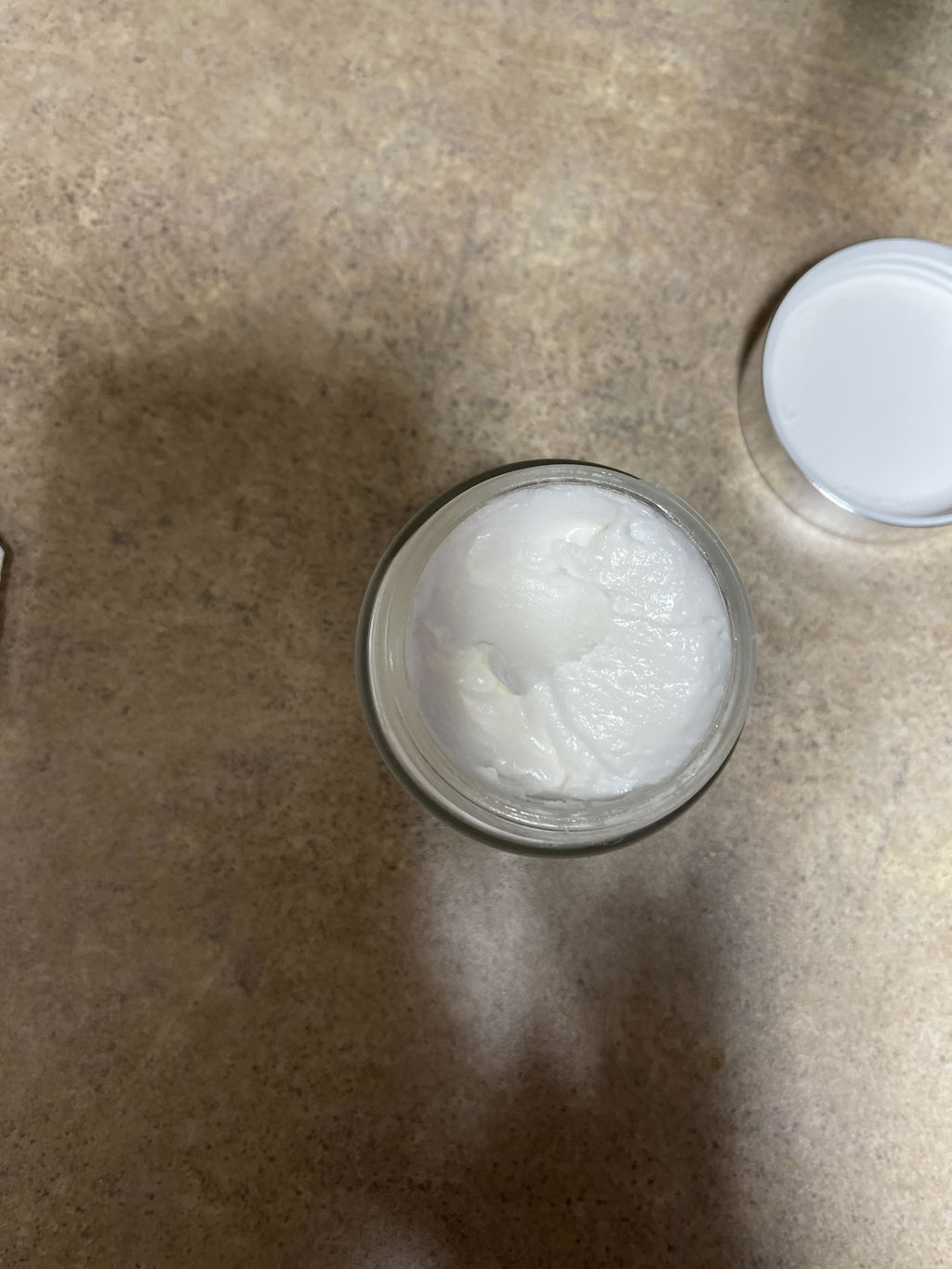
Organic Bone Meal Fertilizer 3-15-0
- Regular Price
- $ 19.99
- Sale Price
- $ 19.99
- Regular Price
- $ 17.99
Sold Out
- Unit Price
- per


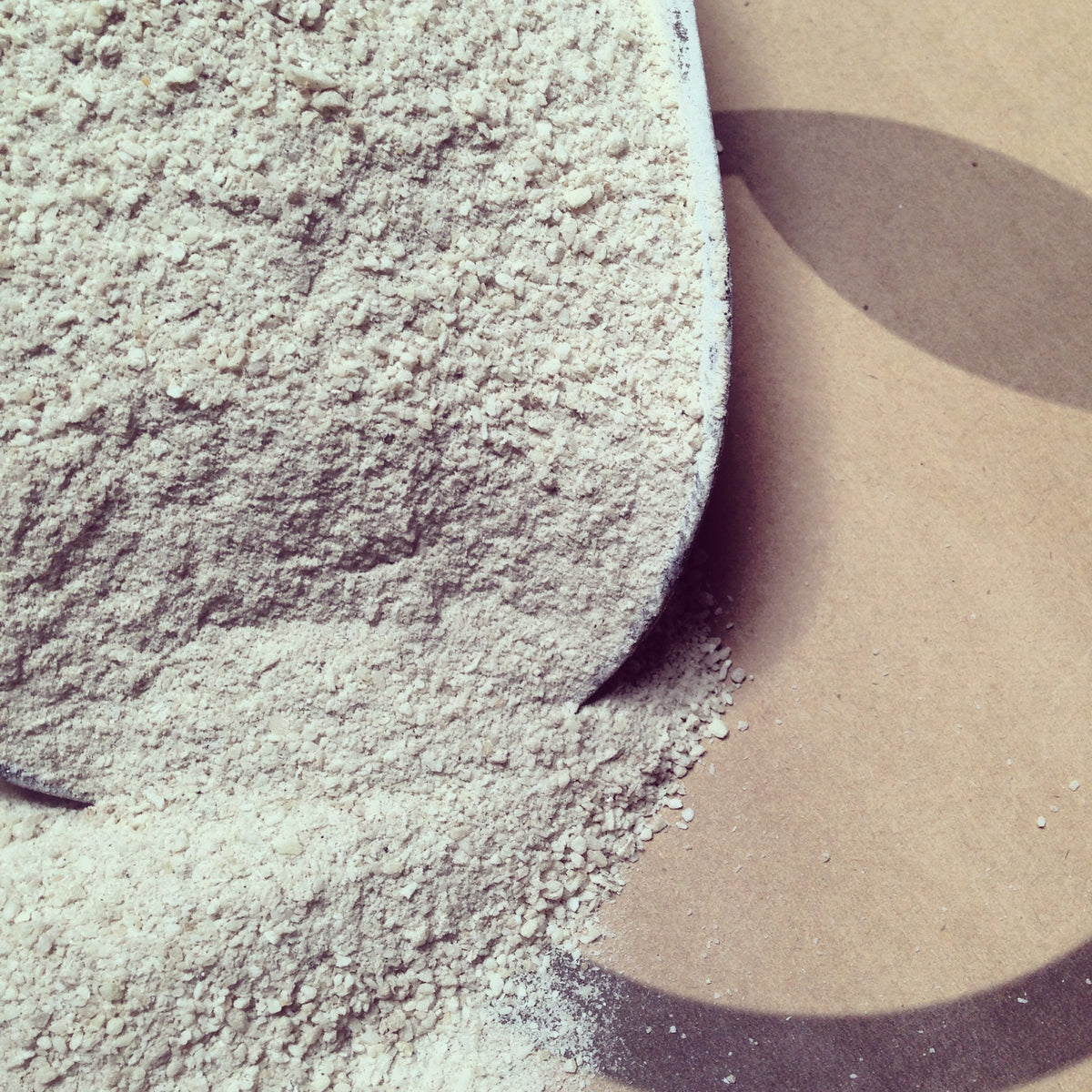


Steam-processed bovine bone meal delivering 15% available phosphate (P₂O₅) and 24% calcium in a single organic amendment. Slow-release nutrition over 1–4 months supports root development, flowering, and fruit calcium nutrition. Repackaged from OMRI Listed®, non-GMO source material, with each batch tested for heavy metals.
Find your size → Calculate how much I need15%
Available phosphate (P₂O₅) for roots and blooms
24%
Calcium for cell walls and fruit nutrition
1–4mo
Slow-release window from a single application
35+yrs
Family-owned California fertilizer manufacturer
Coverage below assumes the soil-test-first garden rate of 2.5–5 lb per 100 sq ft (low-to-moderate soil phosphorus). A soil-test-confirmed low-P correction of up to 10 lb per 100 sq ft roughly halves the coverage shown. Always confirm with a current soil test.
⚠ Do not apply to high-P soils: If a soil test already shows adequate or high phosphorus, skip bone meal. Excess phosphorus accumulates over time and can interfere with iron, zinc, and mycorrhizal activity.
| Bag Size | Garden Coverage | Per-Plant Use | Best For |
|---|---|---|---|
| 3 lb | ~60–120 sq ft | 50–95 bulbs | Container plants, small flower beds |
| 5 lb | ~100–200 sq ft | 5–10 transplants or 80–160 bulbs | Most popular Small raised beds, rose plantings |
| 25 lb | ~500–1,000 sq ft | Full vegetable garden bed prep | Best value Large gardens, orchards, market growers |
| 50 lb | ~1,000–2,000 sq ft | Multiple orchard trees or large bulb planting | Acreage prep, commercial operations |
Bone meal performs best where phosphorus and calcium are limiting and microbial activity is strong. Use it at planting, at transplant, or as a fall pre-bulb amendment — not as a quick-fix mid-season foliar feed. Start from a soil test.
Tulips, daffodils, alliums, lilies, and dahlias respond well to slow-release phosphate placed below the bulb at planting. About 1 tablespoon per medium bulb.
A go-to organic phosphate amendment for new garden beds. Work in 2.5–5 lb per 100 sq ft before planting when soil P is low to moderate, especially for root crops and fruiting vegetables.
2 tablespoons per planting hole at transplant. The 24% calcium content may help support fruit calcium nutrition where calcium is limiting — though consistent soil moisture remains the primary factor in blossom end rot.
About 1 cup per rose bush at planting, worked into the backfill, when soil P is low to moderate. Slow phosphate release supports the next bloom cycle without forcing soft growth.
At planting, mix 2–4 oz per cubic foot of backfill when a soil test shows P below optimum. Established trees usually need nitrogen more than phosphorus — test first.
Mix lightly into fresh potting media at planting. Start conservative and avoid repeated applications unless plant growth or a media test indicates a phosphorus need.
Fast-release synthetic phosphorus delivers a spike and a tail. Bone meal delivers a sustained curve as soil microbes break down the protein-mineral matrix — with calcium along for the ride.
Steady phosphate release over 1–4 months supports root development, flowering, and fruit set, with low burn risk and a low salt index when incorporated as directed. Like all phosphorus fertilizers, bone meal should not be overapplied or left on the soil surface, where phosphorus can contribute to runoff.
One of the highest organic calcium concentrations in a single amendment. Calcium strengthens cell walls and supports root tip growth; adequate fruit calcium nutrition can contribute to lower BER incidence in tomatoes, peppers, and squash where calcium is limiting — though consistent soil moisture remains the primary driver. For a broader look, see Best Calcium Fertilizers.
Soil microbes drive phosphate release as they decompose the bone matrix. One application at planting can carry most crops through the season, with a side-dress available for heavy feeders. Performance scales with soil temperature (above ~50°F) and moisture; release is slower in cold or dry conditions.
A small, slow nitrogen (N) contribution supports early establishment without overstimulating foliage at the expense of roots and flowers. Pair with Blood Meal 13-0-0 when more nitrogen is needed during vegetative growth.
Bone meal naturally contains no significant soluble potash (K₂O). For a complete NPK program, combine with a chloride-free potassium source like Potassium Sulfate 0-0-53 — especially for chloride-sensitive crops.
Repackaged from OMRI Listed®, non-GMO bovine bone meal. CDFA registered as a fertilizer. Independently lab tested for heavy metal content, with results consistently well below required limits. Made in Madera, California — quality you can trace from source to shelf.
15%
P₂O₅ · Available Phosphate in 3-15-0
Phosphorus drives ATP energy transfer, cell division, root development, and reproductive growth. In bone meal, it's bound in a hydroxyapatite matrix — the same form found in vertebrate skeletons — which soil microbes and naturally occurring soil acids break down gradually. The result is plant-available orthophosphate released on the same timescale as plant uptake, rather than the dose-and-run profile of fast-release synthetic phosphates.
The 24% calcium content matters as much as the phosphate. Calcium is required for cell wall pectin cross-linking, root tip elongation, and the structural integrity of expanding fruit cells. Adequate calcium nutrition during fruit fill can contribute to lower blossom end rot incidence in tomatoes, peppers, and squash — though BER is influenced by many factors, and consistent soil moisture is the primary driver of calcium movement into fruit, not total calcium supply alone.
Practically, bone meal works best when soil pH is at or below 7.0 and soil temperatures are above ~50°F. In alkaline soils above pH 7.5, phosphate binds with soil calcium and availability drops — if that's your situation, a water-soluble source like MAP 12-61-0 or amending soil pH first will deliver better results. For deeper coverage, see The Function of Phosphorus in Plants and How Soil Microbes Affect Plant Health.
Apply only when a soil test shows low to moderate phosphorus, and incorporate into the soil rather than leaving it on the surface. Bone meal performs best in biologically active soils at pH at or below ~7.0. Do not apply to soils already testing high in phosphorus — excess accumulates over time and can interfere with micronutrient availability.
| Guaranteed Analysis | Amount |
|---|---|
| Total Nitrogen (N) | 3% |
| Available Phosphate (P₂O₅) | 15% |
| Soluble Potash (K₂O) | 0% |
| Calcium (Ca) | 24% |
| Derived from | Steam-processed bovine bone meal |
Quick answer: 2.5–5 lb per 100 sq ft worked into the top 6″ of soil at bed prep when soil P is low to moderate, plus 1–2 tablespoons per planting hole for transplants. Apply 0 on soils testing high in phosphorus.
| Crop / Use | Rate | Timing & Notes |
|---|---|---|
| General garden bed prep | 2.5–5 lb per 100 sq ft | Low-to-moderate soil P; use the lower end at medium P. Work into top 6″ before planting |
| Confirmed low-P correction | Up to 10 lb per 100 sq ft | Only when a soil test confirms phosphorus deficiency |
| High-phosphorus soils | Do not apply (0 lb) | Excess P accumulates and can interfere with micronutrient uptake |
| Tomatoes & peppers (per hole) | 2 tbsp per planting hole | Mix into backfill at transplant; supports calcium nutrition where limiting — consistent moisture is the primary BER factor |
| Root vegetables (carrots, beets, potatoes) | 2.5–5 lb per 100 sq ft | Highest-response group; use lower end at medium P |
| Alliums (garlic, onions, leeks) | 1 tbsp per planting hole | Fall for garlic, spring for onions |
| Squash, eggplant, cucumbers (per hole) | 1–2 tbsp per planting hole | Mix with backfill; keep 1–2″ from direct root contact |
| Side-dress for established heavy feeders | 2–4 oz per plant | Scratch into top 1″ of soil and water in; only when growth or a soil test indicates need |
Sources: Oregon State University Extension (EC 1503 — Fertilizing Your Garden: Vegetables, Fruits, and Ornamentals); Colorado State University Extension (Organic Fertilizers / Phosphorus Fertilizers for Organic Farming Systems). A current soil test should override generic rates. Bone meal is most effective at soil pH at or below 7.0; in alkaline soils above 7.5, phosphate binds with soil calcium and availability drops.
Quick answer: 1 tablespoon per medium bulb, placed 1–2 inches below the bulb at planting and lightly mixed into soil.
| Bulb / Tuber | Rate | Timing & Notes |
|---|---|---|
| Small bulbs (crocus, grape hyacinth, snowdrops) | 1 tsp per bulb | Fall planting; mix into soil below bulb |
| Medium bulbs (tulips, daffodils) | 1 tbsp per bulb | Fall planting; do not let bulb sit directly on bone meal |
| Large bulbs (alliums, lilies, large daffodils) | 1–2 tbsp per bulb | Fall or early spring depending on variety |
| Extra-large tubers (dahlias, peony divisions) | 2 tbsp per planting hole | Spring planting; mix into backfill soil |
| Naturalized bulb beds (annual refresh) | 2.5–5 lb per 100 sq ft | Top-dress in fall; scratch into top 1″ of soil |
Sources: The naturalized-bed rate follows Oregon State University Extension; per-bulb figures are general planting guidance, not university-derived rates. Place bone meal 1–2 inches below the bulb, mixed lightly into surrounding soil — never with the bulb sitting directly on the amendment. Water in well after planting.
Quick answer: When a soil test shows phosphorus below optimum, mix 2–4 oz per cubic foot of backfill soil at planting. Do not add phosphorus when soil P is already adequate or high.
| Tree Stage / Use | Rate | Timing & Notes |
|---|---|---|
| New tree at planting (soil P below optimum) | 2–4 oz per cubic foot of backfill | Mix into backfill. Do NOT add if soil P is adequate or high; do not add nitrogen at planting |
| P₂O₅ conversion | 6.75 lb bone meal ≈ 1 lb phosphate | For sizing from a soil-test P recommendation |
| Established bearing tree | Apply P only when a soil test shows below optimum | Regularly fertilized older trees often need no added phosphorus |
| Pears (reduced rate) | Reduce 25–50% from standard | Lower P and N rates may help reduce disease pressure |
Sources: UConn Extension (Suggested Fertilizer Practices for Tree Fruits). Bone meal supplies phosphate and calcium — not the nitrogen most established fruit trees need. Pair with a separate nitrogen source like Blood Meal 13-0-0 or Ammonium Sulfate 21-0-0 for a complete program.
Quick answer: About 1 cup per rose bush or 4–6 tablespoons per shrub at planting, worked into the backfill soil, when soil P is low to moderate.
| Plant Type | Rate | Timing & Notes |
|---|---|---|
| Roses at planting | 1 cup per bush | When soil P is low to moderate; mix into backfill around root zone |
| Established roses (annual) | ¼–½ cup per bush | Soil-test first; early spring top-dress around drip line only if P is low |
| Flowering shrubs at planting | 4–6 tbsp per hole | Mix into backfill soil |
| Perennials (peonies, daylilies, hostas) | 2–4 tbsp per planting hole | First-year application most beneficial for root establishment |
Note: Rates for ornamentals are general planting guidance. Avoid bone meal on acid-loving ornamentals (azaleas, rhododendrons, blueberries) — the 24% calcium content is alkaline and can shift soil pH out of their preferred range.
Quick answer: Size from a soil test and crop nutrient plan. lb of Bone Meal 3-15-0 per acre = target lb P₂O₅ per acre ÷ 0.15 (about ×6.67).
📋 Field & Acreage Rates: The figures below are general references for medium-testing soils at typical yield goals. Actual rates should be based on a current soil test and local nutrient removal estimates. Broadcast ranges follow Oregon State and Colorado State University Extension guidance; berry-row rates follow UConn Extension; conversions assume 15% P₂O₅. Consult your local extension service for site-specific recommendations.
| Soil Test / Goal | Rate per Acre | Notes |
|---|---|---|
| General broadcast (medium-testing soils) | 500–1,000 lb/acre | Adjust based on soil test and crop demand |
| 50 lb P₂O₅/acre target | ~333 lb/acre | 1 lb P₂O₅ = 6.67 lb bone meal at 15% P₂O₅ |
| 75 lb P₂O₅/acre target | ~500 lb/acre | — |
| 100 lb P₂O₅/acre target | ~667 lb/acre | For phosphorus-deficient soils with high-demand crops |
| 150 lb P₂O₅/acre target | ~1,000 lb/acre | Verify against soil test before applying |
| Repeated-application ceiling | Avoid annual rates near/above ~900–1,000 lb/acre | Repeated high rates build soil P; use only with a soil test and nutrient-management plan |
| Berry rows at planting | 5–10 lb per 100 sq ft | Apply when soil P is low |
Phosphate accumulation: Phosphorus does not leach readily — repeated heavy applications build up in soil over time. The ~900–1,000 lb/acre ceiling adapts the caution from peer-reviewed meat-and-bone-meal field research (Witkowicz et al. 2022, Sustainability, MDPI) to a 15% P₂O₅ bone meal; the study used a different material, so treat it as a conservative bound, not a target. Always confirm with a current soil test, and consider split applications over multiple seasons rather than one large dose.
Bone meal is a soil amendment, not a foliar product. Performance depends on getting it below the surface where soil microbes can reach it.
Bone meal works best at soil pH at or below 7.0 and soil temperatures above ~50°F. In alkaline or cold soils, phosphate availability drops. If pH is above 7.5, amend soil pH first or use a water-soluble source like MAP 12-61-0 instead.
Use 2.5–5 lb per 100 sq ft for garden beds when soil P is low to moderate, 1–2 tablespoons per transplant, or 1 tablespoon per medium bulb. The calculator on the right will work it out for you based on your specific use case and soil-test status.
Work bone meal into the top 3–6 inches of soil with a garden fork or tiller. Surface application slows microbial breakdown and attracts dogs and wildlife. For planting holes, mix into the backfill soil rather than placing in a concentrated layer.
Water deeply after application to begin the microbial breakdown process and reduce surface scent. Plant-available phosphate begins releasing within weeks, with full release over 1–4 months.
Bone meal is not water-soluble and cannot be applied as a foliar spray. For foliar phosphorus correction, use MKP 0-52-34 or MAP 12-61-0 instead.
Phosphorus comes in many forms. Bone meal is a slow-release organic source — the right choice when you want season-long release at planting. For fast correction or hydroponics, water-soluble sources are better fits. See The Function of Phosphorus in Plants for a deeper guide.
| Source | Available P₂O₅ | Calcium | Release Speed | Best For |
|---|---|---|---|---|
| Bone Meal 3-15-0 (this product) | 15% | 24% | Slow (1–4 mo) | Organic gardens, bulbs, transplants, fruit calcium nutrition |
| Fish Bone Meal 4-17-0 | 17% | ~15–20% | Moderate | Marine-sourced alternative; faster release than bovine |
| MAP 11-52-0 (granular) | 52% | 0% | Fast | Conventional row crops, soil incorporation |
| MAP 12-61-0 (water-soluble) | 61% | 0% | Immediate | Hydroponics, fertigation, foliar correction |
| MKP 0-52-34 | 52% | 0% | Immediate | Bloom-stage P + K, fully water-soluble |
| Blood Meal 13-0-0 | 0% | 0% | Fast (organic) | Pair with bone meal for nitrogen — not a P source |
Bone meal is a strong fit for some situations and a poor fit for others. Use this side-by-side before you buy.
Bone meal delivers phosphate and calcium. Pair it with the right nitrogen and potassium sources for a balanced organic feeding program.
Fast-acting organic nitrogen for leafy growth. The natural complement to bone meal's phosphate and calcium for a balanced NPK organic program.
Potassium + SulfurCompletes the NPK trio with chloride-free potassium and 17% sulfur. Preferred over potassium chloride for chloride-sensitive crops like berries and tomatoes.
Marine alternativeMarine-sourced phosphate with slightly higher P (17%) and faster release than bovine bone meal. A good fit when you want a non-mammalian organic option.
pH-neutral calciumAdd calcium without raising soil pH. Pairs well with bone meal when you need more calcium than bone meal alone supplies, or when soil is already alkaline.
Bone meal is a low-toxicity organic amendment, but a few practices matter for both your safety and your garden's success.
If your question isn't here, contact our team at questions@greenwaybiotech.com.
Bone meal excels at supporting root development, flowering, and fruit set. It's particularly well-suited to flowering bulbs (tulips, daffodils, alliums), transplants, root vegetables, and flowering plants like roses. The 15% available phosphate (P₂O₅) provides slow-release energy for root and bloom development, while the 24% calcium content supports cell wall strength and can contribute to lower BER incidence in tomatoes, peppers, and squash when calcium nutrition is otherwise limiting. For a deeper look at why phosphorus matters, see The Function of Phosphorus in Plants.
Bone meal is a slow-release amendment that continues feeding plants for roughly 1–4 months from a single application. Nutrients become plant-available gradually as soil microorganisms break down the protein-mineral matrix — faster in warm soils above ~50°F with consistent moisture, and slower in cold or dry conditions. Finer grinds break down faster than coarse particles. Learn more about how soil microbes affect nutrient release.
Burn risk is low when bone meal is used as directed. The slow-release nature provides gentle, sustained nutrition with a low salt index. That said, excessive amounts can drive soil phosphorus levels too high over time, which can interfere with iron, zinc, and other micronutrient uptake and suppress beneficial mycorrhizal fungi. Follow recommended rates and consider periodic soil testing for any garden bed that has received bone meal year after year.
Bone meal is one of the more popular organic amendments for tomatoes. The available phosphate supports root development and flowering, while the 24% calcium content can contribute to fruit calcium nutrition — which research links to lower blossom end rot incidence. BER is influenced by many factors, and consistent soil moisture is the primary driver of calcium movement into fruit, not total calcium supply alone. Typical use is 2 tablespoons per planting hole at transplant. For a complete tomato program, see Best Fertilizers for Tomatoes and Improving Fruit Yield with Fertilizers.
Apply at planting time for the best results. For garden beds, work bone meal into the soil 4–6 weeks before peak demand. For established plants, work it into the top 2 inches of soil in early spring as growth begins. Fall application works well for spring-blooming bulbs. For more on timing and soil prep, see The Organic Gardener's Guide to Soil Preparation.
Yes — the natural scent can attract dogs and wildlife, particularly when freshly applied. Always mix bone meal thoroughly into the soil and water in well after application; never leave it on the surface. Store sealed bags out of reach of pets. In areas with significant wildlife pressure, consider fencing or using bone meal only inside planting holes rather than as a broadcast amendment.
Bone meal has minimal effect on soil pH when used at recommended rates. The 24% calcium content is alkaline, so large or repeated applications can slightly raise pH over time. If you need calcium without raising pH, consider Gypsum (Calcium Sulfate) as a pH-neutral alternative. For a broader look at calcium sources, see Best Calcium Fertilizers.
No. Bone meal is not water-soluble and will not dissolve in a reservoir or sprayer — it relies on soil microbial activity to release nutrients. For hydroponic phosphorus, use MKP 0-52-34 or MAP 12-61-0. For foliar correction, the same water-soluble sources apply — bone meal cannot substitute.
Our Bone Meal 3-15-0 is repackaged from OMRI Listed® organic, non-GMO bovine bone meal. The source material is from cattle raised under organic standards and processed without synthetic additives. For information on certified organic status for your specific use case (commercial certification, etc.), contact us at questions@greenwaybiotech.com.
Bone meal pairs well with most organic and conventional fertilizers as a dry soil amendment. For a complete organic NPK program, combine with Blood Meal 13-0-0 for nitrogen and Potassium Sulfate 0-0-53 for chloride-free potassium. The slow-release nature means it complements rather than competes with fast-acting fertilizers used in-season. Learn more in Organic vs Synthetic Fertilizer.
Available in 3 lb, 5 lb, 25 lb, and 50 lb bag sizes. Free shipping on orders over $100 to the continental US. Backed by our 90-day money-back guarantee — if it doesn't work for your garden, return the unused portion for a full refund.
Choose your size →